Progression & Skills in Valor Mortis
Progression in Valor Mortis runs on a tight, Souls-style loop: light Lanterns to bank your checkpoint, spend Catalysts to upgrade, socket Ambers for survivability, and channel Nephtoglobin into blood-magic Transmutations for your skills. This guide breaks down each system, how they feed into one another, and the priorities that community hands-on reports recommend.
Note on data confidence: Valor Mortis is a pre-release title (developed by One More Level, published by Lyrical Games, scheduled for October 13, 2026). The specifics below are drawn from community-reported demo coverage, fan wikis, and hands-on previews — not official documentation. Exact numbers, stat names, and costs are not officially confirmed and may change before launch.
The Core Progression Loop
Community coverage describes progression as four interlocking systems:
- Lanterns — bonfire-style checkpoints that double as upgrade hubs.
- Catalysts — the resource you spend at Lanterns to grow stronger.
- Ambers — socketable modifiers that change how a fight plays out.
- A stat tree — where you direct your growth (health, damage, and beyond).
On top of that sits Nephtoglobin, the plague substance tied to William’s resurrection. It fuels both his traversal abilities and his blood-magic Transmutations, making it the engine behind your active skills.
The important thing to understand is that these systems are not separate menus — they feed each other. You fight to earn Catalysts and Nephtoglobin, spend Catalysts at Lanterns, and convert Nephtoglobin into the Transmutations you weave into combat. Everything flows back into the fight.
Lanterns: Checkpoints and Upgrade Hubs
Lanterns are the backbone of the progression loop. Per community reporting, they function as:
- Restart points once lit — die or quit, and you return to the last Lantern you lit.
- Upgrade stations where you spend Catalyst to invest in your character.
- Enemy reset points — resting or dying respawns regular enemies, the classic Soulslike trade-off that lets you farm Catalysts but also means no easy backtracking through cleared rooms.
Because Lanterns gate both your upgrades and your respawns, lighting one is always a meaningful decision. The community advice is simple: treat every Lantern as a save-and-invest moment, and don’t push into unknown territory with a full wallet of Catalysts you can’t spend.
Catalysts: The Upgrade Currency
Catalyst is the resource you bank and spend at Lanterns. The recurring community tip is to bank your Catalyst before dangerous paths — because if you die before reaching a Lantern, that unspent progress is at risk. In practice this means:
- Convert Catalyst into stats whenever you pass a Lantern and you’re about to enter a boss arena or a new area.
- Treat a fat Catalyst balance as a liability, not an achievement — the demo’s hardest content (Chapters 1 and 7) will punish you for hoarding.
Fan resources referenced in community coverage include a Catalyst Calculator for checking upgrade costs, which suggests upgrade pricing scales as you invest. As with everything here, the exact formula is community-reported and unconfirmed.
Ambers: Socketable Survival Modifiers
Ambers are described as socketable modifiers, with life-steal and regeneration variants specifically called out. Their role is straightforward: they make hard fights survivable.
If you’re stuck on a boss, a survival Amber is one of the four “flatten the curve” levers the community recommends pulling — the others being Target Lock, Combat Assist, and Instant Restart (all settings, not upgrades). A life-steal Amber rewards aggression on parry-heavy fights; a regeneration Amber smooths out long, punishing encounters. Which one to slot depends on whether you’re winning by trading windows or by outlasting.
The Stat Tree: What to Level First
Community guidance on stat allocation is consistent and simple: Maximum Health and Melee Damage first. The reasoning is that early survivability and reliable damage output carry you through the demo’s learning curve, before more specialized investments pay off.
Because the game is a demanding, stamina- and skill-based Soulslike, raw durability matters — you can’t out-skill a one-shot you didn’t see coming. Community resources point to a Build Planner for mapping stat investments ahead of time, and the Catalyst Calculator for the cost side. Treat both as planning aids rather than official tools.

Transmutations: William’s Supernatural Skills
Transmutations are the blood-magic skills William channels through his Nephtoglobin connection. Community coverage names three:
- Fire Transmutation — removes organic barriers and burns enemies such as Carrion (a field threat that is immune to blades and must be destroyed by burning the mass holding it together).
- Stasis Transmutation — used to buy space and thin out enemy packs, making it a defensive crowd-control tool. Community boss advice specifically recommends Stasis when you’re swarmed by adds.
- Shield Transmutation — a newer ability associated with the demo’s Lighthouse level, named in community coverage but with no further detail published as of writing.
Beyond the named skills, the official feature set describes an arsenal of supernatural abilities that can be woven into combat, where channeling the power correctly strengthens attacks and unlocks new supernatural skills to use against enemies. That phrasing suggests a channel-and-build relationship: the way you channel Nephtoglobin doesn’t just fire an ability, it can empower your attacks and open up further skills.
Getting the Most Out of Transmutations
Two community-derived habits make skills land harder:
- Cash Nephtoglobin at the right moment. Melee hits and shattered Weak Points feed your blood-magic. The advice is to build up that resource, then spend it into a Fire, Stasis, or Shield Transmutation exactly when the fight calls for it — not on cooldown.
- Use Quick Cast. The Quick Cast setting casts a skill the moment you select it, skipping the confirm step. For fast Stasis throws and reactive Fire casts, that removed confirmation can be the difference between buying space and eating a hit.
Nephtoglobin: The Resource Behind Everything
Nephtoglobin is the connective tissue of the whole system. It’s a plague substance tied to William’s resurrection, and it does double duty:
- It fuels traversal abilities — the high-mobility tools (grapple hook, wall-running) that let you flank Napoleon’s plague-ridden Eternal Guard and navigate Metroidvania-style levels.
- It powers blood-magic Transmutations — the offensive and defensive skills above.
Because melee hits and shattered Weak Points generate it, the intended rhythm is aggressive but deliberate: land clean hits and break Weak Points to build Nephtoglobin, then convert it into a skill that either removes a threat (Fire against Carrion) or controls the room (Stasis against packs).
How Skills Fit Into Combat
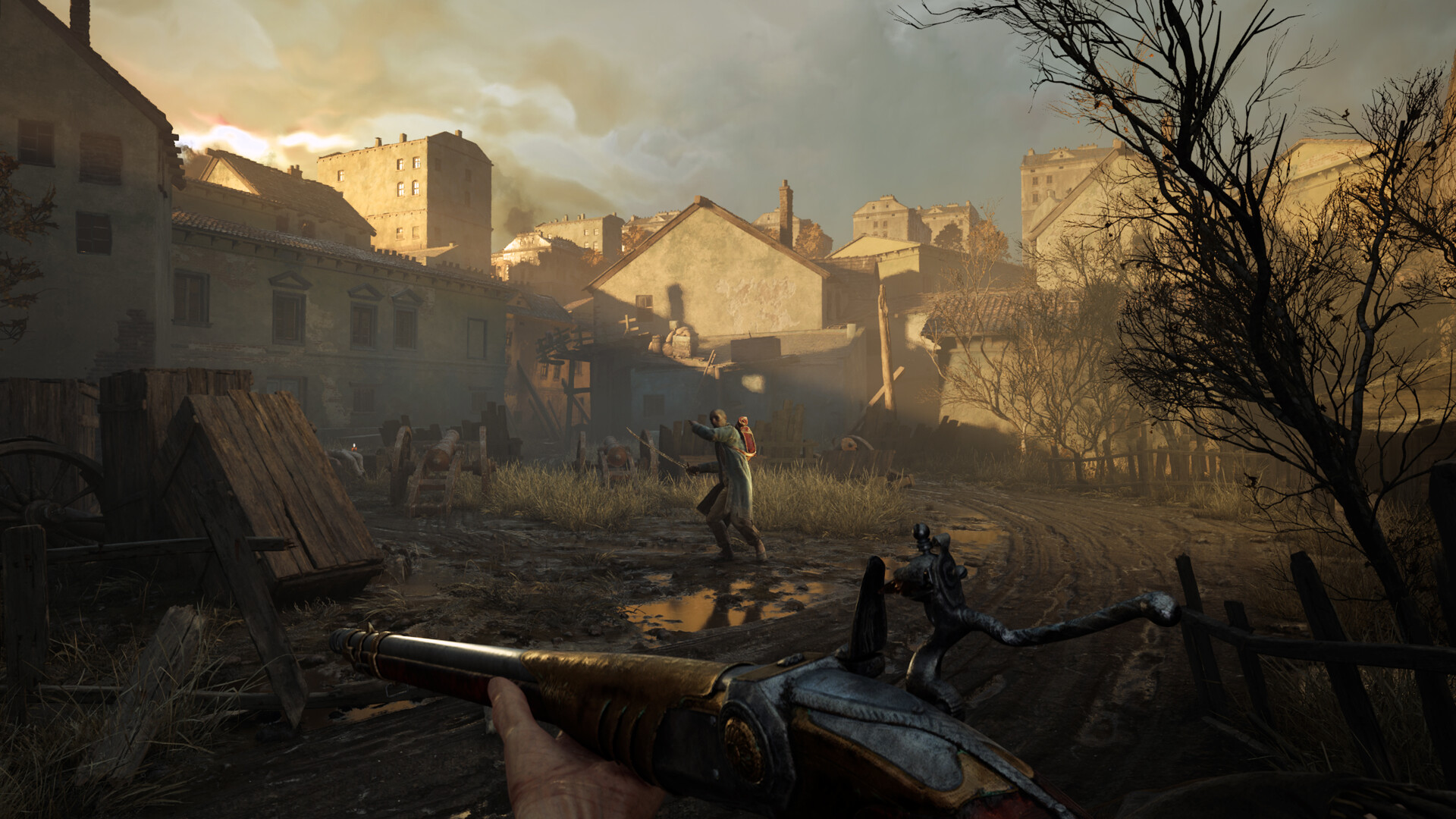
Skills aren’t a separate mode — they slot into the same stamina-and-skill-based flow as your weapons. The demo’s Chapter VII slice is described as being built around the rapier, musket, Shield Transmutation, and traversal, which shows how the developers expect you to blend a fast melee weapon, a firearm, a skill, and movement into a single rotation.
The practical takeaway from community combat writeups:
- Parry to break Posture, then Critical. Skills support this loop rather than replace it.
- Use Fire to solve the “immune to blades” problem instead of trying to out-damage Carrion.
- Use Stasis to reset a bad position, especially in boss fights with adds.
- Let traversal create openings — flanking from above with the grapple hook turns a frontal fight into an ambush.

A Practical Progression Priority List
Pulling the community advice together into an order of operations:
- Light every Lantern you find and spend Catalyst there before moving on.
- Bank Catalyst before bosses and new areas — don’t carry a fat balance into danger.
- Level Maximum Health and Melee Damage first on the stat tree.
- Socket a survival Amber (life-steal or regeneration) when a fight feels unwinnable.
- Build Nephtoglobin through clean hits and Weak Points, then cash it into the Transmutation the situation demands.
- Turn on Quick Cast so skills fire without a confirm step.
- Reinvest after each run — resting and dying resets regular enemies, so each trip is an opportunity to farm and spend.
Community-Reported Caveats
Two honest warnings before you build around any of this:
- This is pre-release data. Valor Mortis launches October 13, 2026, and much of the above comes from demo coverage and fan wikis. Stat names, Amber variants, Transmutation details, and upgrade costs are community-reported and not officially confirmed.
- The demo has no difficulty slider. You can’t lower the challenge directly — you work with the systems instead. That’s precisely why progression and skill choices carry so much weight: they’re your real difficulty dial.
Get the Lantern–Catalyst–Amber–Transmutation loop working together, and the game’s punishing encounters stop feeling unfair and start feeling learnable.