Valor Mortis is a first-person soulslike from One More Level (the studio behind Ghostrunner), published by Lyrical Games and scheduled for October 13, 2026 on PlayStation 5, Xbox Series X|S and PC via Steam, arriving day one on Xbox Game Pass. You play William Dowsett, a resurrected soldier of Napoleon’s Grande Armée who wakes in a plague-warped, supernatural reimagining of 19th-century Europe. This Valor Mortis guide focuses on the systems that decide whether your first few hours become a death loop or steady progress. Because the game is pre-release, much of the detail below is community-reported from the playable demo — treat exact numbers as unconfirmed until launch.
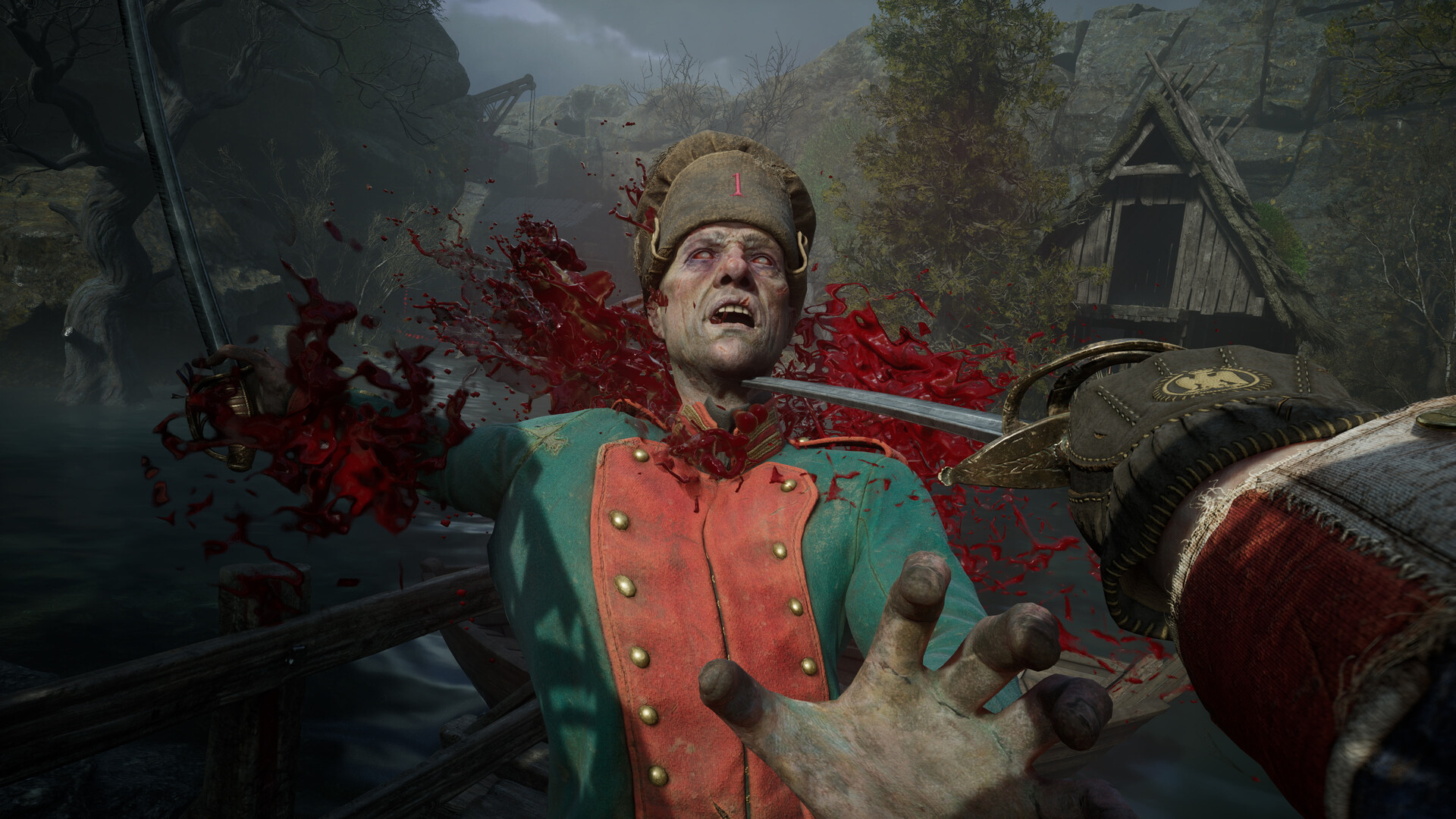
Tune Your Run Before Your First Fight
The demo hides a surprising amount of quality-of-life in its settings menu, and switching it on early flattens the difficulty curve without any easy mode. According to community-reported findings, four options matter most:
- Target Lock — keeps the camera glued to the enemy you are fighting. There is a dedicated Switch Target control to cycle between foes.
- Combat Assist — controls how strongly the camera snaps toward the enemy you are attacking. Turn it up if your hits whiff, down if it fights your aim.
- Instant Restart — restarts from the last checkpoint without sitting through the death screen. This is the single biggest time-saver on boss runbacks.
- Quick Cast — fires a Transmutation the moment you select it, skipping the confirm step.
Everything is rebindable — each action takes a primary and a secondary key — and controllers get five presets (Default, Classic, Dodge / Block Swap, Bumper Jumper and Bumper Jumper 2). If you plan to lean on firearms or Transmutations, set your aiming sensitivity lower than your hipfire sensitivity for steadier shots and Stasis throws. You can also toggle the crosshair, the whole HUD, and crouch behaviour (Hold, Toggle or Press), and track time and death counters for challenge runs.
Learn the Parry–Posture–Punish Loop
Trading hits is how you lose. Valor Mortis is built around reading enemy wind-ups rather than out-damaging them, and the core loop rewards patience over aggression:
- Parry the enemy’s attack strings to fill its Posture meter.
- Break its Posture, then land a Critical Attack for huge damage.
- Use the stamina-gated dash to slip out of harm’s way instead of blocking everything.
- Pressure weak points to open up finishers and feed your blood magic.
Almost every “unfair” death in the demo traces back to mashing attacks instead of parrying and managing Posture, so treat each death as a read on the enemy’s timing rather than a wall.

Turn Nephtoglobin Into Damage
Your melee hits and shattered weak points extract Nephtoglobin, the plague substance tied to William’s resurrection. Cash it into a Transmutation at the right moment and the fight swings your way. Community-reported abilities include:
- Fire Transmutation — removes organic barriers and burns enemies like Carrion, which is immune to blades.
- Stasis Transmutation — buys space and thins out enemy packs when you are swarmed.
- Shield Transmutation — introduced in the demo’s later Lighthouse level, with no further detail published yet.
Channeling the power correctly also strengthens attacks and unlocks new supernatural skills to use against enemies.
Level the Stats That Actually Matter
The demo points beginners toward two stats first: Maximum Health and Melee Damage. That order keeps you alive long enough to learn boss patterns and makes every successful parry punish count. More advanced planning tools referenced by the community — a build planner and a catalyst cost calculator — are useful later, but do not overthink the tree on your first run.
Make Brutal Fights Survivable With Ambers
Ambers are socketable survival modifiers, and community sources single out life-steal and regeneration variants as the ones that turn an overwhelming fight into a manageable one. If a boss keeps outlasting you, a defensive Amber is often worth more than a small damage bump.
Rest at Lanterns and Bank Your Catalysts
Lanterns are the bonfire equivalent: light one and it becomes your restart point. They are also where you spend Catalyst, the upgrade currency. Two habits matter here — resting or dying resets regular enemies, so re-clear deliberately, and bank your Catalyst before you walk into a dangerous path so a death never costs you the progress you were saving.
Read the Enemy Before You Swing
The enemies between you and the bosses each have a tell, and William’s own in-game journal spells out the intended counter. Fight them the way the game tells you to:
- Carrion — immune to blades; burn the mass holding it together.
- Eternal Guardsman — an elite fencer; parry its strikes and break its Posture rather than trading.
- Howler — hunts in packs; do not get surrounded, use openings or Stasis to thin the group.
- Risen Grenadier — lobs grenades from range; close the gap while dodging its throws.
- Risen Musketeer — its slow reload is your window; close in the instant it fires.
- Risen Sapeur — heavy, barricade-breaking blows that beat your guard; dodge instead of blocking.
- Volunteer Brute — duck its wide greatsword swings and strike in the gaps.
- Risen Soldier — parry the basics and counter.
- Shambling Villager — weak alone, but dangerous in piles.
Prepare for the Demo’s Two Bosses
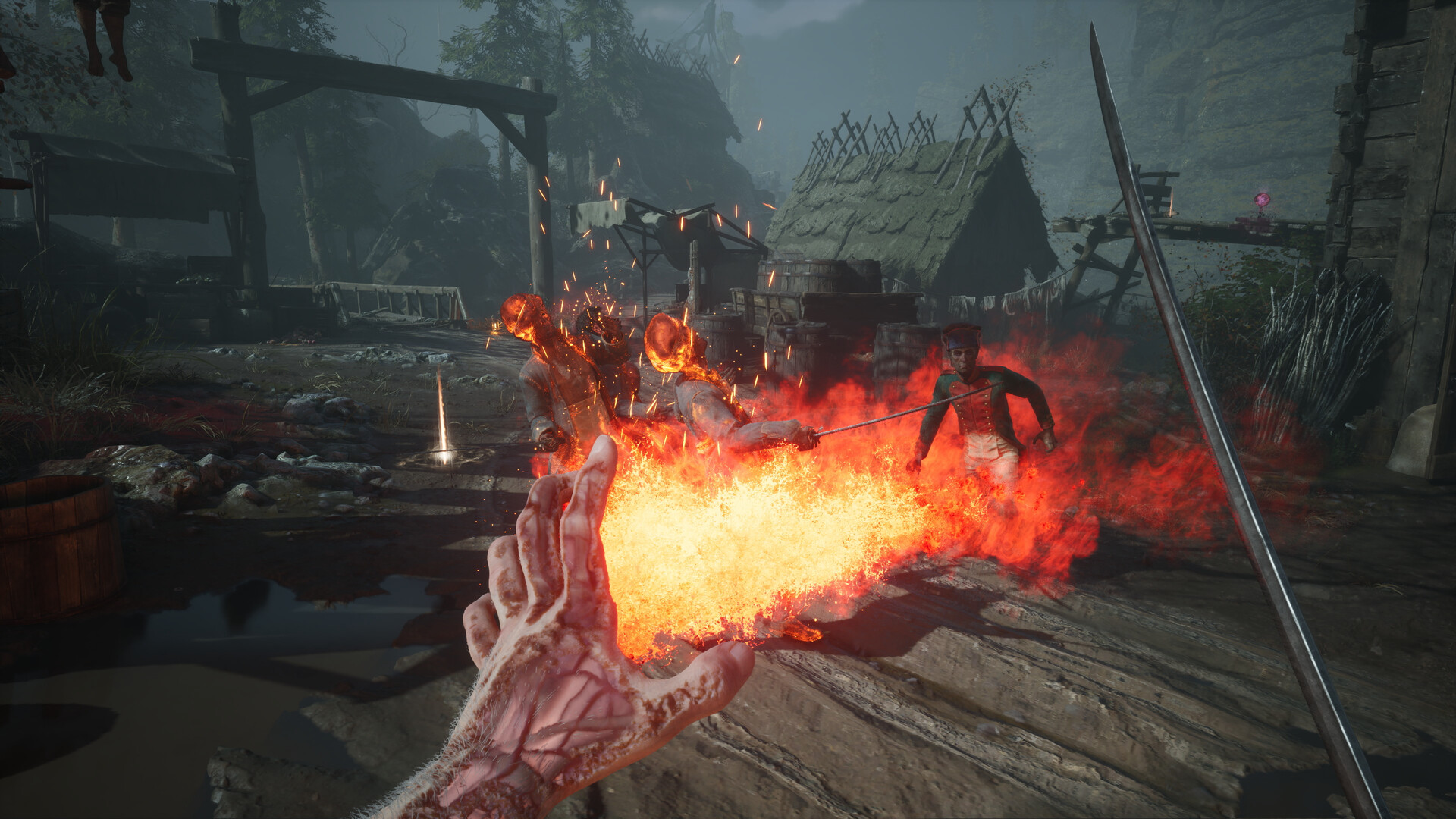
The demo ships two named bosses, both community-reported from the playable slice:
- General Lothaire, the Eagle-Bearer — a two-phase commander at the end of Chapter I: Revival who fights alongside the spawn of his rage. Keep Target Lock on the General, manage the adds, and use Stasis to buy space when you are swarmed.
- High Justicar Aurelius, Last of the Faithful — a master fencer and the parry check of the demo. Bait his strings, parry to break Posture, and punish with Criticals. Patience beats aggression.
Don’t Let Technical Problems Cost You Runs
If you are playing the demo, a few known issues can waste attempts. Community and developer-reported guidance says the fastest safe order is: update the demo, update your GPU driver, restart the game, and avoid FSR on an affected Nvidia GPU (use TSR or DLSS instead). For a D3D12 crash or a wrong-GPU launch, confirm the game is running on your discrete GPU. For a missing interface, toggle HDR off and on. Note that DLSS status is not fully clear — one developer post warns it may freeze loading while another says DLSS is back — so if it freezes on your system, switch to TSR and restart.
A Note on Trophies and Achievements
There is no officially confirmed trophy or achievement list for Valor Mortis yet, so a dedicated Valor Mortis trophy guide is not possible at this stage. What is certain is that any completion run depends on the fundamentals above — parrying instead of trading, managing Posture, banking Catalyst, and picking the right survival Amber. Get those locked in now and a future trophy list becomes far less intimidating.
Final Beginner Tips
- Turn on Target Lock, Combat Assist, Instant Restart and Quick Cast before your first boss attempt.
- Prefer parries and Posture breaks over raw damage; the stamina dash is your panic button.
- Extract Nephtoglobin consistently and spend it on the Transmutation the encounter calls for.
- Level Health and Melee Damage first, and socket a life-steal or regeneration Amber when a fight drags.
- Bank Catalyst at Lanterns before dangerous paths, and re-clear enemies deliberately after resting.